
Mark’s Changing Idea of Evil
The Pale HorseThe novel repeatedly challenges Mark’s attraction to grand theatrical evil and leads him to recognize cruelty in ordinary, petty motives.
increasing Bearing strength in each event
 decreasing
Bearing strength in each eventdecreasingEvil as Spectacle
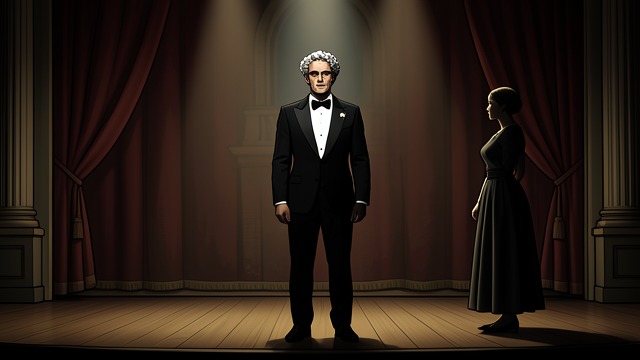
A Theatrical Image
Good and Evil on Stage
Mark reflects that evil in pantomime is vivid and noisy, while goodness appears as a plain-spoken fairy whose stability eventually prevails. The image lets him treat moral conflict as a familiar theatrical pattern.
At this point evil is something to interpret aesthetically. The thought foreshadows how the Pale Horse’s show will later make genuine violence look like another performance.
A Debate About Greatness
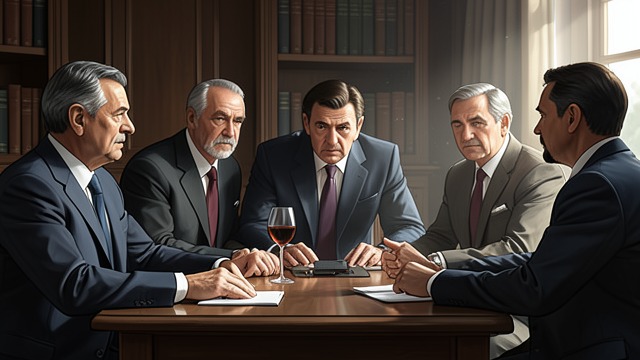
Can Evil Be Great?
Power and Character
Venables challenges the group to consider whether an evil person can still be great. Mark and the others debate whether historical impact, intelligence, and moral strength can be separated.
The conversation makes criminal power appear grand and intellectually compelling. That temptation matters because Mark will later mistake the conspicuous Venables for the mastermind.
The Grand Story at the Pale Horse
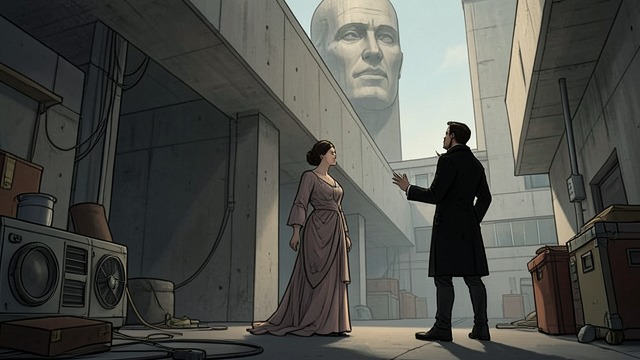
Death Made Magnificent
Occult Language
Thyrza describes death as a powerful force reached through the mind, while Sybil and Bella provide images of spirits, blood, and ritual. The account makes murder sound like a disciplined art.
Its grandeur distracts Mark from practical questions about access, products, and poison. The novel uses the seductive story to show how spectacle can make petty violence seem impressive.
The Smallness of the Crime
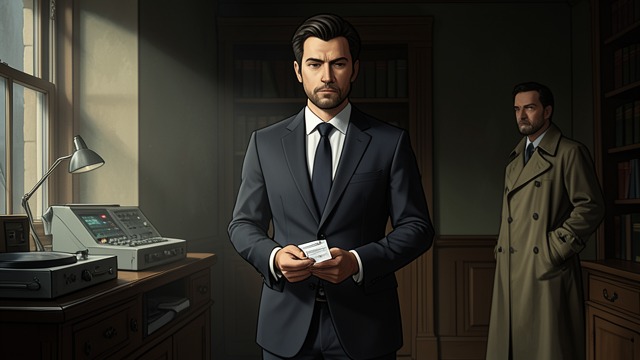
Evil Without Grandeur
A Wrong 'Un
Lejeune describes Osborne not as a superhuman villain but as an inadequate man who wants to matter. His crimes are clever in design but driven by money, vanity, and a desire to feel powerful.
The explanation strips away the drama that had surrounded the case. The murderer is frightening precisely because his motives are familiar and morally small.
A Mundane Revelation
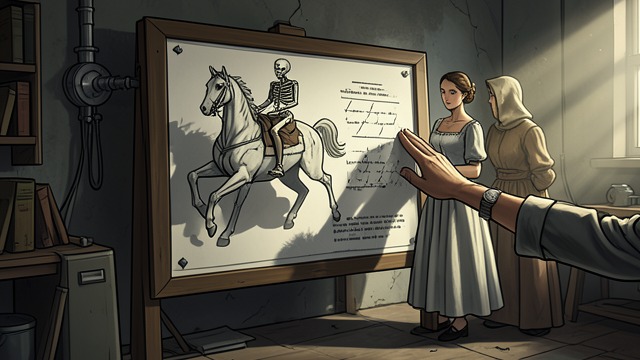
The Moral Image Reframed
Death on the Sign
Ginger cleans the inn sign and reveals a skeleton rider on the pale horse. Mrs Dane Calthrop quotes Revelation, then dismisses the discovery with an ordinary remark and leaves for a meeting.
The image remains ominous, but its mystery has been resolved into a symbol rather than a supernatural cause. The novel ends by locating real wickedness in human conduct, not in a grand infernal spectacle.
During Mark’s opening reflections in Chelsea
During lunch at Priors Court
During Thyrza’s explanation to Mark
After Osborne is exposed at Priors Court
At the restored sign near the ending
